




We Sent a First-Timer Camping: Here’s What Actually Happened
Quick Takeaways for First-Time Campers
-
Preparation is half the battle: Group your packing into zones (perishables, hygiene, entertainment, utility) to make campsite arrival seamless.
-
Trailers bridge the gap: If you are nervous about weather, wildlife, or sleeping on the ground, renting a compact travel trailer (like the Cherokee Wolf Pup 16BHS that Richi used or a brand new 2026 Cherokee Wolf Pup 16BHS) is the perfect beginner hack.
-
Expect minor mishaps: You will likely struggle to start your first campfire, run out of water, or get rained on. Embrace it – that is part of the outdoor experience!
-
Nature is loud: Wilderness areas lack city noise, meaning you will hear every rustling leaf, snapping twig, and gust of wind. Bring earplugs if you are a light sleeper.
Deciding to go on your first camping trip brings up a strange mix of emotions. You are thrilled to escape the city, breathe fresh air, and unplug. But at the same time, the anxiety creeps in: What if I pack the wrong things? What if I can’t start a fire? What if it rains the whole time?
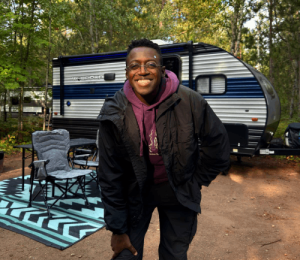
Recently, we sent our very own Richi on his first-ever camping trip in a travel trailer provided by Nickel Belt Camping. We documented the entire weekend to show you exactly what a first camping trip looks like – the good, the bad, the mistakes, and the beautiful views.
Whether you are pitching a tent or renting a compact camper, this ultimate guide breaks down everything you need to know about your first trip, broken into our 4-part video series.
Phase 1: Preparation, Packing, and Pre-Trip Jitters
▶ Watch the Full 4-Part Series on YouTube
The hardest part of camping is pulling out of your driveway. Figuring out what to pack without overpacking is a delicate balance. When utilizing a compact travel trailer, space is premium.
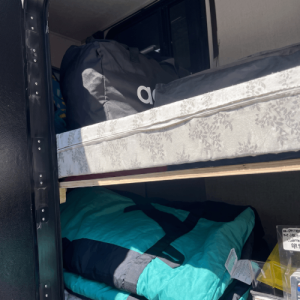
The Beginner Lesson: Don’t just throw things into bags. Pack in strict categories:
-
Transit Gear: Things you need immediately upon arriving (flashlights, leveling blocks, cleaning wipes).
-
Campsite Gear: Things that stay outside (chairs, firewood, outdoor cooking grates).
-
Cabin Gear: Things that stay inside (clothes, bedding, board games).
If you have unused bunk beds in your trailer, convert them into deep storage shelves to keep luggage off the walkways.
🔗 Deep Dive: Want to see exactly how to pack and manage pre-trip anxiety?
Read Part 1: First-Time Camper: Packing, Trailer Prep, and Handling Pre-Trip Jitters
Phase 2: Surviving the First Night (Setup, Fires, and Noises)
▶ Watch the Full 4-Part Series on YouTube
Arriving at the campsite is where theory meets reality. Unpacking a trailer is easy; getting a campfire to actually burn is where most beginners fail.
The Beginner Lesson: A fire needs a structured base. You cannot just hold a match to a thick log. You must build a foundation of tinder (dry, fluffy material that catches easily), cover it with kindling (small twigs), and only add heavy fuel logs once you have a hot bed of glowing embers.
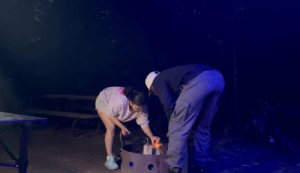
Once the fire dies and you head to bed, prepare yourself for the silence. Because there is no urban background noise, the sound of a tiny field mouse rustling in dry leaves will sound massive. If you are a light sleeper, pack a white noise machine or earplugs!
🔗 Deep Dive: Want to learn the multi-use secrets of a camper trailer and how to conquer the first night?
Read Part 2: First Night Camping in a Trailer: Setup, Campfire Struggles, and Strange Night Noises
Phase 3: Daytime Activities, Trail Lies, and Running Out of Water
▶ Watch the Full 4-Part Series on YouTube
By day two, the romance of the woods meets the logistics of outdoor survival. This is usually when beginners realize they have made a few miscalculations.
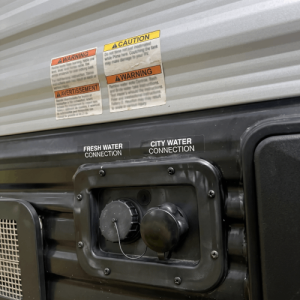
For Richi, Day 2 brought three harsh realities:
-
The Water Tank: Washing dishes with the tap running will drain a 30-gallon RV water tank in 24 hours. Always use the “Navy shower” method (turn water off while lathering) to conserve your tank.
-
The Hiking Map: Trail maps measure distance, not topography. A “one-hour hike” on a map easily turns into a two-to-three-hour trek once you factor in hills, rocks, and rest stops.
-
The Weather: It will rain on you eventually. Always have indoor backup plans, like pre-downloaded movies, board games, and easy-to-cook indoor meals (like ramen or BLTs).
🔗 Deep Dive: See how Richi navigated a terrifying hike and a rained-out evening.
Read Part 3: Beginner Camping Mistakes: RV Water Tanks, Trail Traps, and Rainy Day Backups
Phase 4: The Final Verdict (Is Camping Worth It?)
▶ Watch the Full 4-Part Series on YouTube
On the final morning of his trip, Richi woke up to a completely dry water tank. He had to fetch water from the communal campground pump using a tiny drinking tumbler just to brush his teeth.

And yet… when asked if he would do it again, his answer was an absolute yes .
The Beginner Lesson: The friction is part of the fun. The learning curve of managing a trailer, cooking outside, and dealing with weather is heavily outweighed by the mental reset you get from breathing fresh air and stepping away from screens. Having a travel trailer – like the Cherokee Wolf Pup – makes the experience incredibly safe and accessible by providing a dry floor, locking doors, and an indoor kitchen.
🔗 Deep Dive: Read Richi’s full honest review of his weekend.
Read Part 4: Is Camping Worth It for Beginners? (An Honest First-Timer Review)
The Essential First-Time Camping Checklist
Before you head out on your first adventure, make sure you have these basics covered:
-
Shelter/Sleeping: Sleeping bags (rated for the weather), pillows, earplugs.
-
Kitchen: Cast iron pan, wooden utensils, biodegradable dish soap, trash bags, cooler with ice.
-
Hydration: A 5-gallon portable water jug (even if your RV has a tank!).
-
Utility: Multi-tool, headlamps (with extra batteries), duct tape, first aid kit, lighter/matches.
-
Clothing: Moisture-wicking base layers, wool socks, a waterproof rain shell, and sturdy boots.
Frequently Asked Questions for First-Time Campers
Is camping safe for beginners?
Yes! Developed campgrounds are incredibly safe. You will be surrounded by other campers, park rangers, and clear signage. Staying in a hard-sided travel trailer provides an extra layer of security and peace of mind against weather and wildlife.
Do I need a trailer to go camping?
No, tent camping is a great way to start. However, if you are nervous about sleeping on the ground, sharing public bathrooms, or getting rained on, renting an entry-level travel trailer is highly recommended for a stress-free first trip.
What is the difference between City Water and a Fresh Water Tank?
In an RV or trailer, City Water is a direct, pressurized hose connection used when you are parked at a campground with full hookups. The Fresh Water Tank is an internal holding tank you fill up manually to use when camping “off-grid” (boondocking), which requires a 12V water pump to push water to your faucets.
What is the best food to bring for a first camping trip?
Keep it simple. Pre-chop vegetables and marinate meats at home. Bring easy-to-cook items like foil-packet dinners, hot dogs, corn on the cob, and low-mess backup meals like ramen noodles or sandwich ingredients in case it rains and you cannot use the campfire.
Related Posts
Is Camping Worth It for Beginners? An Honest First-Timer Review and Trailer Takeaways
Quick Takeaways from a First Camping Trip Trailer walls provide peace of mind: For anxious beginners, a hard-sided camper trailer removes the fear of nocturnal wildlife and weather exposure. Water...
Beginner Camping Mistakes: RV Water Tanks, Trail Traps, and Rainy Day Backups
Quick Takeaways for Day 2 of Camping Track water consumption daily: Freshwater tanks drain rapidly if you wash dishes with the tap running or take traditional showers; always check tank...
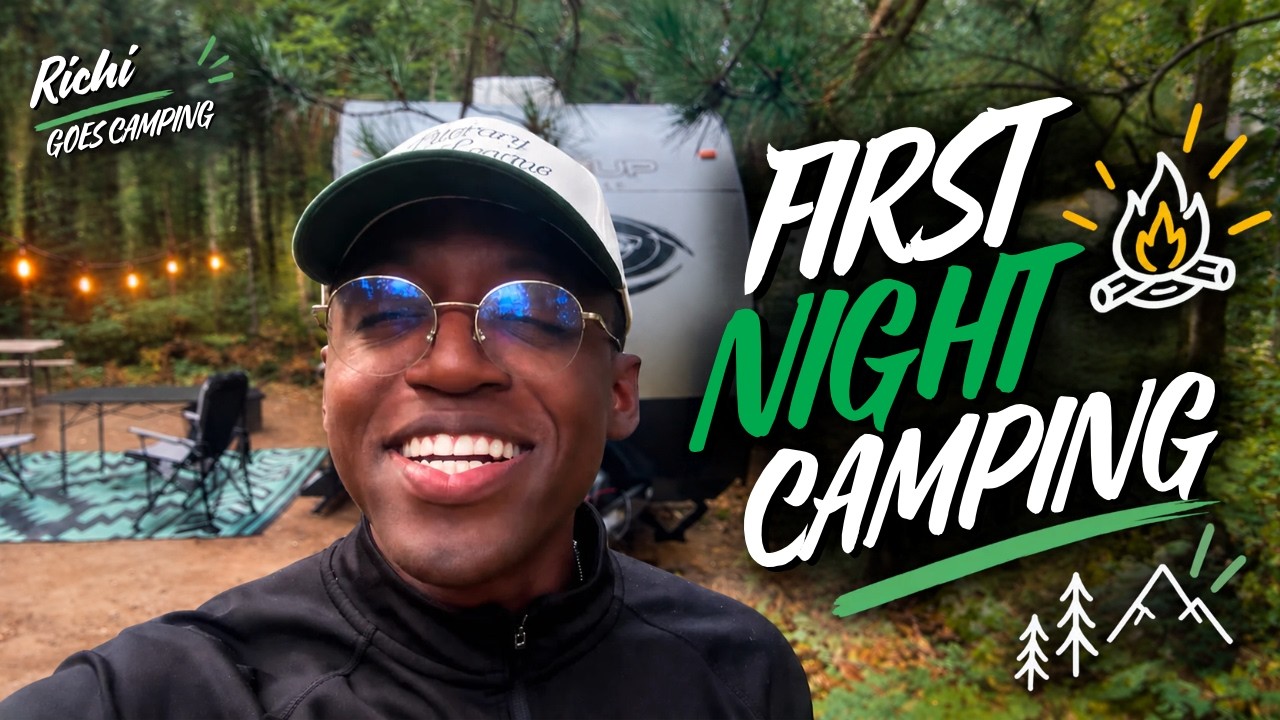
First Night Camping in a Trailer: Setup, Campfire Struggles, and Strange Night Noises
Quick Takeaways for Your First Night at Camp Organize before dark: Establish specific zones for food, cutlery, hygiene, and bedding immediately after parking. Learn your trailer’s convertible features: Many compact...
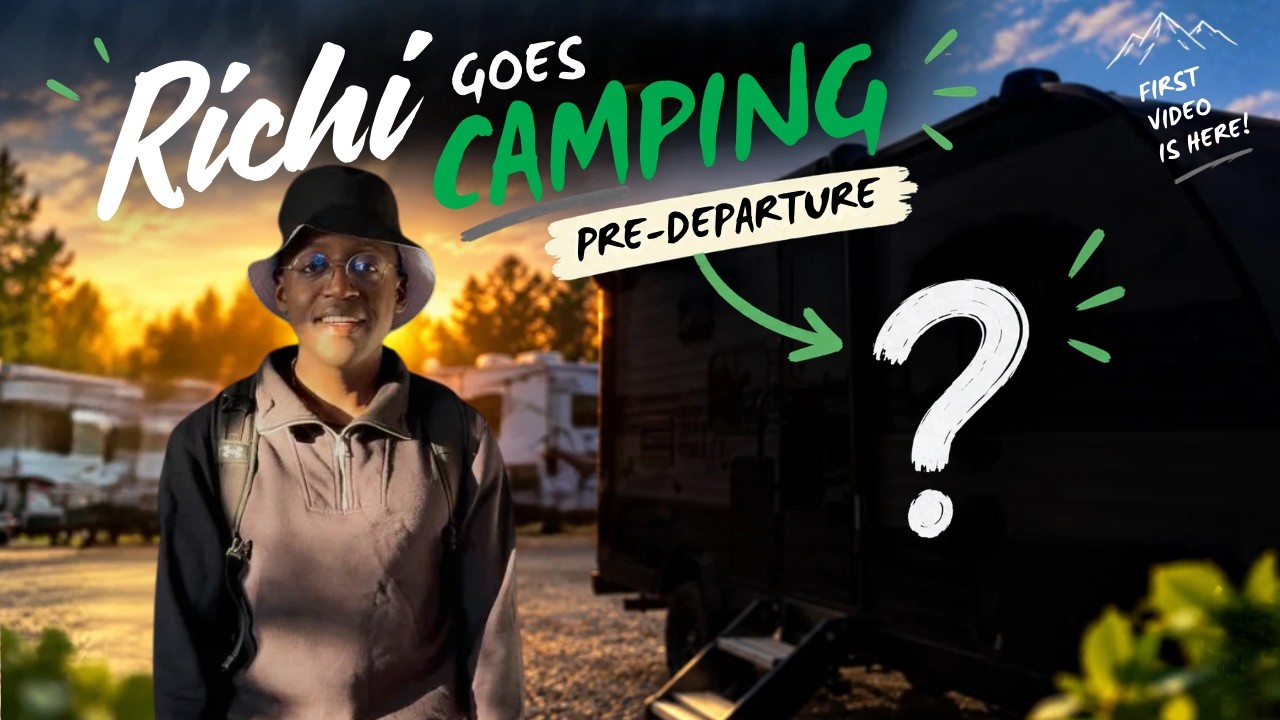
First-Time Camper: Packing, Trailer Prep, and Handling Pre-Trip Jitters
Quick Takeaways for First-Time Campers A mix of excitement and anxiety is normal: Most beginners feel nervous about unfamiliar routines and gear. Pack in categories: Group items by refrigeration, dry...